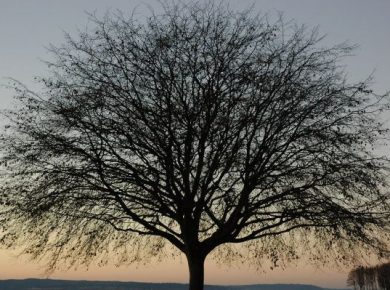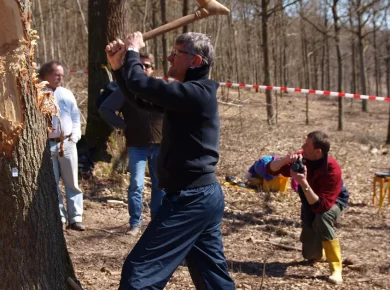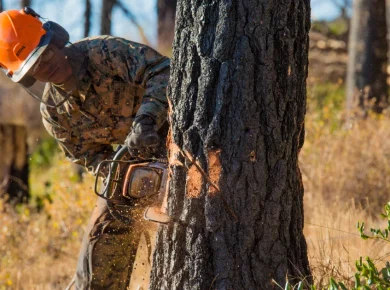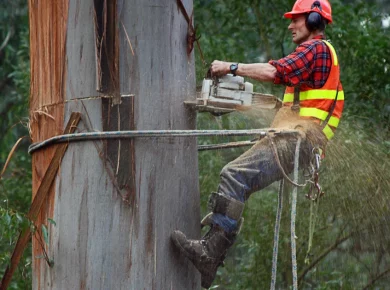

Tree height is the single biggest factor in removal cost — bigger trees mean more climbing, rigging, equipment, and cleanup. Here’s what to expect at each size.
For a plain-language overview, see how much it costs to cut down a tree.
By size, tree removal costs roughly $200–$500 (small, under 25 ft), $400–$900 (medium, 25–50 ft), $800–$1,500 (large, 50–75 ft), and $1,500–$3,000+ (very large, over 75 ft) in 2026. Species, access, and condition move you within those ranges.
Estimate yours with the cost calculator or see the full removal cost guide.
Removal cost by size
| Size | Height | Typical cost |
|---|---|---|
| Small | Under 25 ft | $200 – $500 |
| Medium | 25–50 ft | $400 – $900 |
| Large | 50–75 ft | $800 – $1,500 |
| Very large | Over 75 ft | $1,500 – $3,000+ |
Is tree removal priced per foot?
Some companies estimate by height at roughly $10–$25 per foot, but most price the whole job based on size, access, and risk rather than a strict per-foot rate. Use per-foot only as a rough sanity check.
What moves you within the range
- Species — dense hardwoods (oak, maple) cost more than softwoods; see oak, pine, and palm costs.
- Access — proximity to the house, fences, or power lines.
- Condition — dead, leaning, or storm-damaged trees add risk.
- Add-ons — stump grinding, hauling, crane.
Getting the best price
- Get 2–3 itemized quotes for the same scope.
- Confirm stump grinding and hauling are included.
- Bundle multiple trees in one visit.
- Hire insured pros — see how to hire a tree company.
Frequently asked questions
How much does it cost to remove a large tree?
Large trees (50–75 ft) run about $800–$1,500; very large trees over 75 ft can be $1,500–$3,000+.
Is tree removal priced by the foot?
Sometimes (~$10–$25/ft), but most quotes price the whole job by size, access, and risk.
Why is removing a tall tree so much more?
Height multiplies climbing time, rigging, equipment, and the risk of working near structures.
Does size affect stump grinding cost too?
Yes — bigger trunks cost more to grind; see stump grinding cost.
Disclaimer: Prices are general 2026 estimates and vary by region, tree, and company. Get local quotes.
What’s included in a tree removal quote
A tree-removal price isn’t just for cutting the tree down. Before you compare quotes, know what each one covers — the gaps are where “cheap” bids get expensive later.
- Felling or sectional dismantling — dropping the tree, or piecing it down when it’s near structures.
- Limb and brush removal — chipping and hauling the debris off-site.
- Log/wood disposal — sometimes left as firewood (cheaper) or hauled away (extra).
- Stump grinding — usually a separate line item, not automatic.
- Cleanup — raking, blowing, and leaving the site tidy.
Ask for an itemized, written quote so you can see exactly what’s in each price.
Why prices vary by region
The same tree can cost noticeably more in one area than another. Labor rates in high cost-of-living metros run higher, storm-prone regions see seasonal demand spikes that push prices up, and areas with strict disposal or permit rules add fees. Tight urban lots that require cranes or hand-carrying debris also cost more than open rural properties where equipment has room to work.
Ways to lower your tree removal cost
- Get 2–3 quotes and compare scope, not just the bottom line.
- Bundle multiple trees into one visit for a per-tree discount.
- Keep the wood or mulch on site to cut hauling fees.
- Schedule in the off-season (late fall/winter) when crews are less busy.
- Handle a hazardous tree early — cost and risk both rise as it grows or decays.
When it’s worth calling a pro vs. DIY
Small trees on open ground can be a reasonable DIY job. But anything tall, near a structure, over power lines, or dead and unstable should go to an insured professional — the cost of a mistake (property damage or injury) dwarfs the savings. If a tree is an active hazard, don’t wait for the “best” price.


 Jack Turner