
You should remove a tree when it is dead, structurally unsound, or diseased beyond recovery — or when it poses a danger to people or property that pruning and cabling cannot fix. Many struggling trees can be saved, so the real question is whether the risk is manageable or whether the tree itself has become the hazard.
This guide walks through the clear warning signs that a tree needs to come down, the situations where an arborist can save it instead, and how to make the call with confidence. When in doubt, an on-site inspection by a certified arborist is the safest way to decide.
When should you remove a tree? The short answer
Remove a tree when it is dead, when more than half its canopy is damaged, when the trunk is extensively hollow or split, when a large root or structural defect makes failure likely, or when disease has no viable treatment. Remove it immediately if it leans suddenly, drops large limbs, or threatens a home, driveway, or power line.
Keep the tree — and manage it with pruning, cabling, or treatment — when the problems are limited, localized, and not progressing. A single dead branch, a small cavity, or a long-standing lean that has never moved usually does not require removal. The goal is to match the response to the severity of the defect.
8 signs it’s time to remove a tree
No single sign is a verdict on its own, but the more of these that appear together, the stronger the case for removal.
1. The tree is dead or mostly dead
A confirmed dead tree has only one outcome: removal. Dead wood loses strength quickly and becomes unpredictable, especially in wind. If you are unsure whether a tree is truly dead, scratch a small twig — green underneath means living tissue; brown and brittle throughout the canopy points to a dead tree. Our guide on how to tell if a tree is dying covers the tests in detail.
2. More than 50% of the canopy is damaged
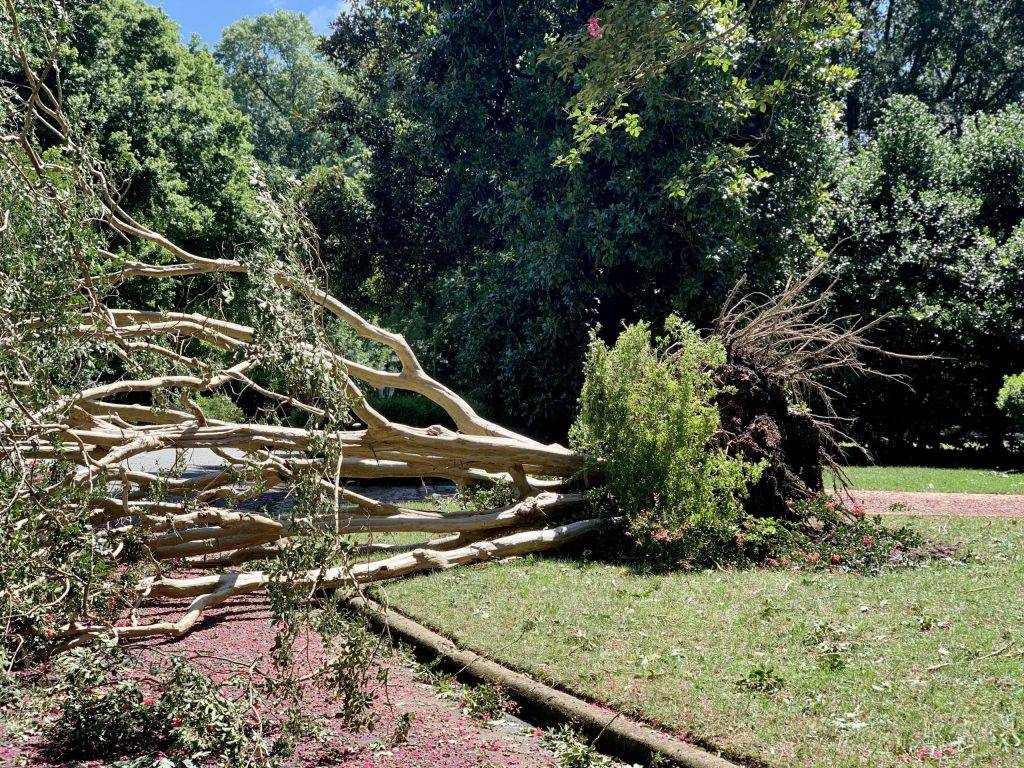
When storm damage, dieback, or decline destroys over half of a tree’s living crown, the tree rarely recovers a balanced, stable form. Arborists often treat the 50% threshold as a practical tipping point toward removal, though a healthy young tree may tolerate more loss than a mature or stressed one.
3. Deep cracks, cavities, or a hollow trunk
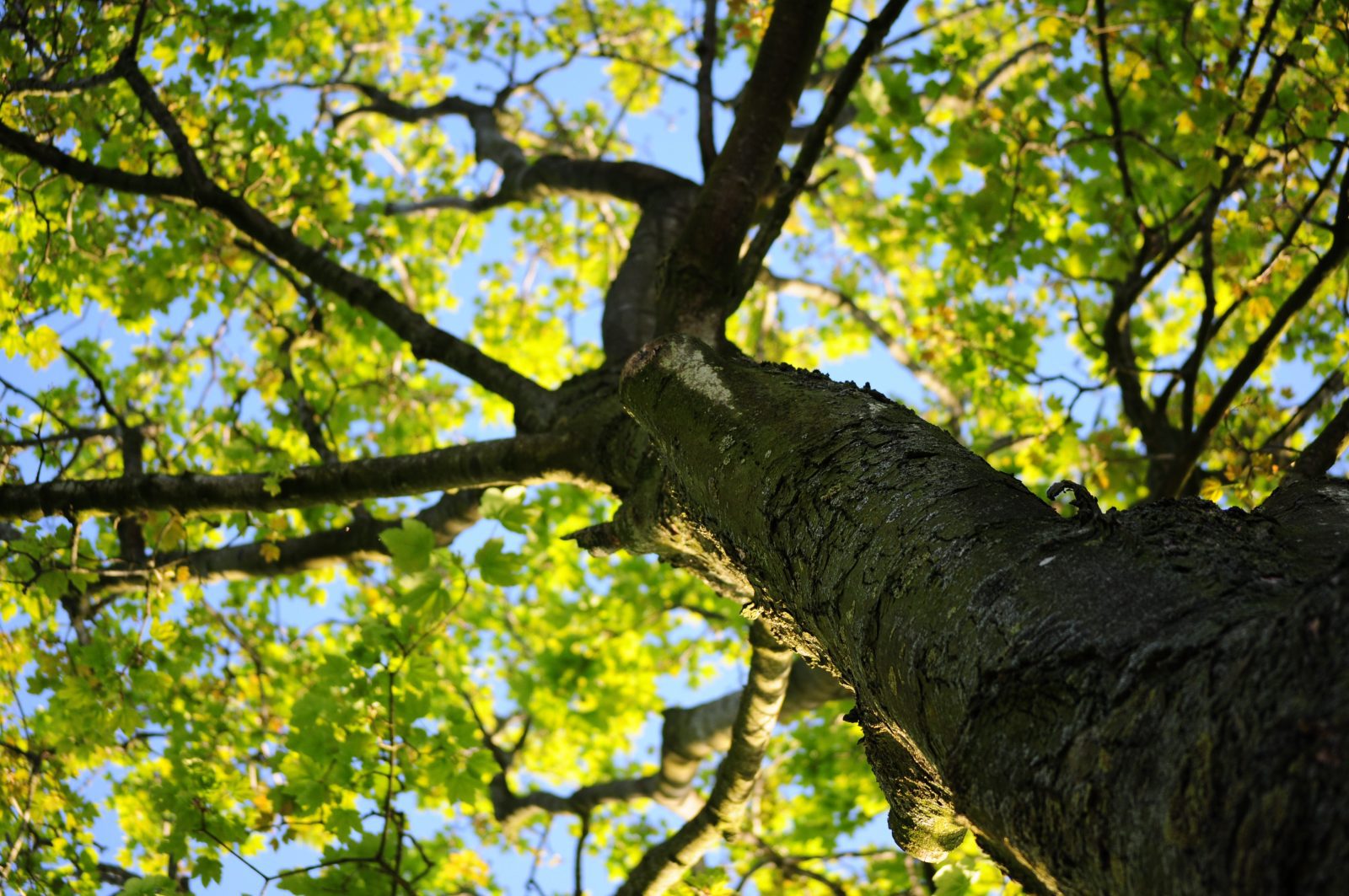
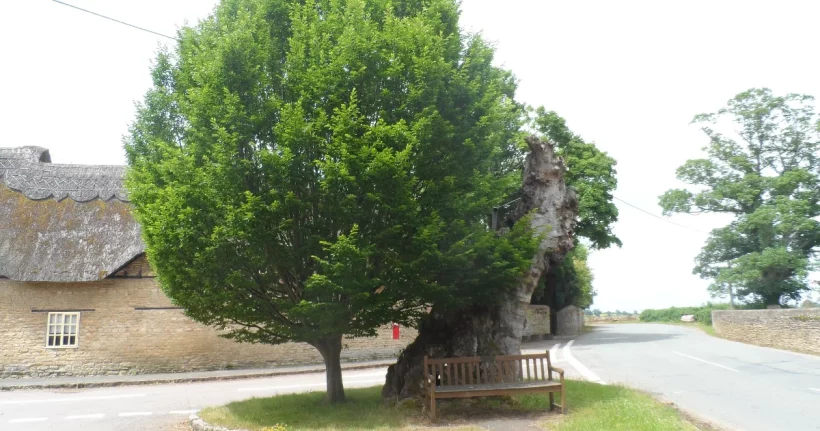
The trunk carries the whole tree, so trunk defects are serious. Vertical cracks, seams, large wounds where bark has fallen away, and open cavities all weaken structure. A common arborist rule of thumb: if roughly one-third or more of the trunk’s interior is hollow or rotten, the tree probably should be removed. A small, well-compartmentalized hollow, by contrast, can be monitored for years.
4. A sudden or worsening lean
A tree that has always leaned the same way may be perfectly stable. A tree that suddenly leans, or whose lean is increasing, is a different story — it often signals that roots are breaking or the soil is failing. A lean greater than about 15 degrees from vertical is usually past the point of safe support. Cracked or heaving soil on the side opposite the lean is a red flag for imminent failure and calls for immediate action.
5. Mushrooms or fungus at the base
Shelf fungi, conks, or clusters of mushrooms growing on the trunk or over the root zone frequently indicate internal or root decay you cannot see from the outside. Because root and butt rot attack the tree’s anchorage, fungal fruiting bodies near the base deserve a professional evaluation before you assume the tree is safe.
6. Root damage or heaving soil
Roots provide both nutrition and stability. Severed roots from nearby construction, trenching, or paving, along with soil that is lifting or cracking around the base, reduce a tree’s ability to stay upright. Invasive roots can also damage infrastructure — see our guide on tree roots in a sewer line for that side of the problem.
7. Serious, untreatable disease or infestation
Some diseases and pests are manageable; others are effectively a death sentence once established. Dutch elm disease, oak wilt, and emerald ash borer, for example, can kill affected trees and spread to neighbors, so prompt removal is often recommended to protect nearby trees. A certified arborist can confirm whether treatment is realistic or whether removal is the responsible choice.
8. It’s too close to a house, driveway, or power line
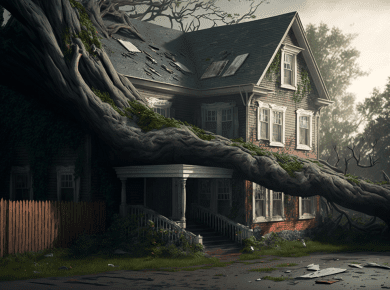
Even a healthy tree can be a liability in the wrong spot. A trunk crowding a foundation, limbs scraping a roof, or a canopy tangled in utility lines may justify removal when pruning cannot create safe clearance. Never attempt work near power lines yourself — that is a job for the utility or a qualified line-clearance crew.
When you may NOT need to remove the tree
Removal is permanent, and a mature shade tree adds real value, cooling, and habitat. Before taking a tree down, ask whether a less drastic option manages the risk. Arborists have three main tools short of removal.
| Option | What it does | Best for |
|---|---|---|
| Pruning | Removes dead, weak, or overextended limbs to reduce load and clear hazards | Dead branches, minor deadwood, roof or line clearance, weight reduction |
| Cabling | Installs flexible steel cables high in the canopy to limit movement and support weak unions | Trees with heavy or multiple leaders, past storm stress, valuable specimens |
| Bracing | Adds threaded rods through the trunk to hold a split or weak union together | Cracks or splits at a branch junction that are still repairable |
If a tree is declining but not dangerous, treatment and improved care may turn it around. Our guide on how to save a dying tree explains the steps worth trying first.
How much damage is too much? Removal thresholds at a glance
These are general guidelines arborists use, not hard laws — the right call always depends on species, age, site, and target (what the tree could hit if it fell).
| Defect | Often savable | Usually remove |
|---|---|---|
| Canopy loss | Under ~25–30% | Over ~50% |
| Hollow trunk | Small, contained cavity | ~1/3 or more of the interior hollow/rotten |
| Lean | Long-standing, stable | Sudden or over ~15° with soil heaving |
| Trunk crack | Shallow, single, bracing possible | Deep, multiple, or through a weak union |
| Root loss | Minor, one side | Major roots cut near the base |
The best time of year to remove a tree
For a non-emergency removal, the dormant season — late fall through late winter — is generally ideal. The tree has dropped its leaves, so it is lighter and easier to work; the ground is often firmer; and pest and disease pressure is lower. That said, safety always overrides the calendar. A hazardous tree, a fresh storm break, or a sudden lean should be handled right away, whatever the season. If a tree has already failed or is about to, see emergency tree removal cost for what urgent work typically involves.
How to decide: get a professional assessment
The most reliable way to decide whether a tree should stay or go is a formal evaluation by an ISA Certified Arborist. A qualified arborist performs a tree risk assessment that weighs the likelihood of failure, the likelihood of hitting a target, and the consequences — then recommends monitoring, treatment, pruning, cabling, or removal. Independent, credentialed advice also protects you from unnecessary removals: some companies that only sell removals have an incentive to recommend the biggest job. University extension programs, such as the University of Maryland Extension, and the Arbor Day Foundation offer additional homeowner guidance.
Once you decide to remove, it helps to understand pricing before you call. Our detailed breakdown of tree removal cost and dead tree removal cost shows what drives the quote so you can compare bids fairly.
Frequently asked questions
Can a leaning tree be saved, or does it have to come down?
It depends on the lean. A tree that has leaned the same way for years, with no soil movement, is often stable and can stay, sometimes with cabling. A tree that suddenly leans or whose lean is growing — especially with cracked or heaving soil at the base — is likely failing and should be assessed for immediate removal.
Is a hollow tree always dangerous?
No. Trees can live for decades with a partly hollow trunk if enough sound wood remains around the outside. A general guideline is that removal becomes likely when about a third or more of the trunk’s cross-section is hollow or decayed. An arborist can measure the sound wood and judge the real risk.
Should I remove a tree that’s close to my house?
Not necessarily. A healthy, well-structured tree near a home can be kept with proper pruning for clearance and periodic inspections. Remove it when it has structural defects, is dead or dying, or cannot be pruned to a safe distance from the roof, foundation, or utility lines.
Do I need a permit to remove my own tree?
Sometimes. Many cities and HOAs regulate the removal of large, native, or “heritage” trees, even on private property. Check local rules before you cut, because fines for removing a protected tree can be significant.
Can I remove a large tree myself?
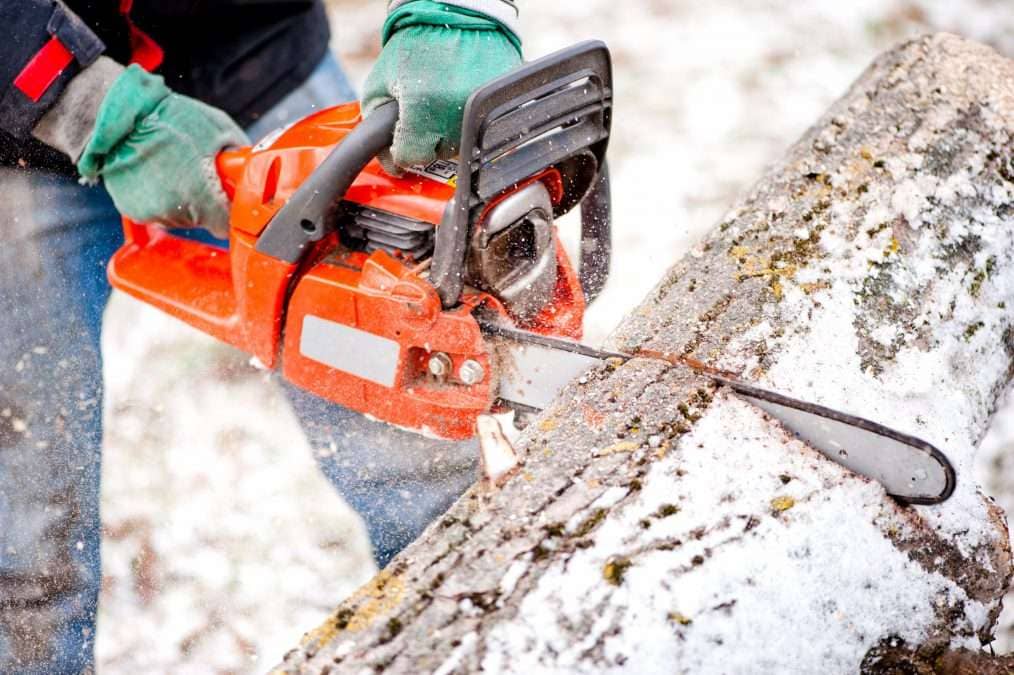
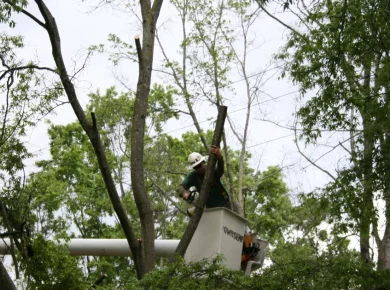
Removing a small sapling is manageable for many homeowners, but large trees, anything near structures, and any tree near power lines should be left to insured professionals. The risk of injury and property damage is high, and most serious tree-work accidents involve people without the right training or equipment.
This article is general educational information, not professional arboricultural, legal, or safety advice. Tree conditions vary widely — have a qualified, insured arborist inspect any tree you are worried about before making a decision.
Still weighing your options? Compare the two paths side by side in tree removal vs trimming.

 Jack Turner