
A neighbor’s tree leaning over your house is unsettling — but your options depend on whose tree it is and how dangerous it really is. You have the right to trim branches that overhang your property line, but you cannot cut down or top the whole tree without your neighbor’s consent. If the tree is genuinely hazardous, the path forward is to document it, notify your neighbor in writing, and escalate to the city or your insurer if they refuse to act. This guide explains exactly what you can and cannot do, and how to protect yourself if the tree ever comes down.
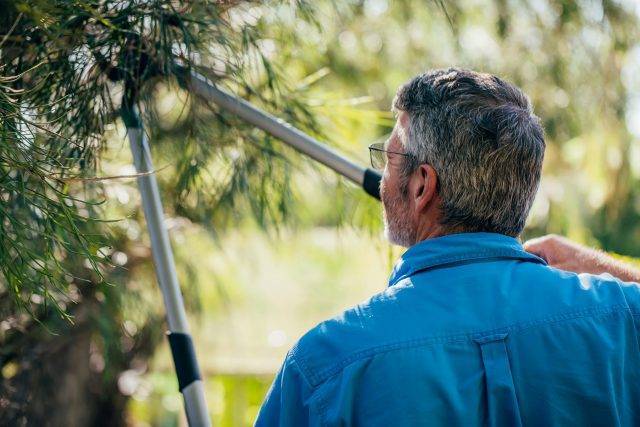
If the tree is healthy and simply overhangs your side, you may be able to trim the overhanging branches back to the property line yourself.
What You Can — and Cannot — Do
The leaning tree still belongs to the neighbor whose land its trunk sits on. That ownership sets firm limits on your self-help rights.
| Action | Allowed? |
|---|---|
| Trim branches overhanging your property, up to the line | Yes, at your own cost |
| Enter the neighbor’s yard to work on the tree | No, not without permission |
| Cut down or top the whole tree | No — needs owner consent |
| Damage the tree’s health while trimming | No — you can be liable |
| Demand removal of a proven hazardous tree | Yes, through proper channels |
Trimming must stop at the boundary, and you must avoid cutting so much that you kill or destabilize the tree — doing so can make you liable. For the full rules on trimming, see who is responsible for cutting overhanging tree branches.
Is the Leaning Tree Actually Dangerous?
Not every lean is a problem. Many trees grow at an angle their whole lives and are perfectly stable. The warning signs that a lean is a genuine hazard include:
- A sudden new lean after a storm, rather than a long-standing one.
- Cracked or heaving soil on the side opposite the lean, suggesting the root plate is lifting.
- Dead limbs, fungal growth, or a hollow or split trunk.
- The lean points toward your house, driveway, or a play area.
If you see these signs, treat it as urgent and get a professional opinion. A certified arborist (ISA) can assess the tree and put the risk in writing — which becomes powerful evidence later.
Steps to Take With a Hazardous Leaning Tree
- Document it. Photograph the lean, the trunk, and the soil from several angles, with dates.
- Tell your neighbor in writing. A calm note or email describing the hazard creates the record that proves they knew. Our guide on a neighbor’s dangerous tree walks through this step.
- Get an arborist assessment if the danger is unclear.
- Contact the city. Many municipalities will inspect and can order an owner to remove a tree that threatens a neighboring structure.
- Notify your insurer if you believe damage is imminent.
If the Tree Falls on Your House
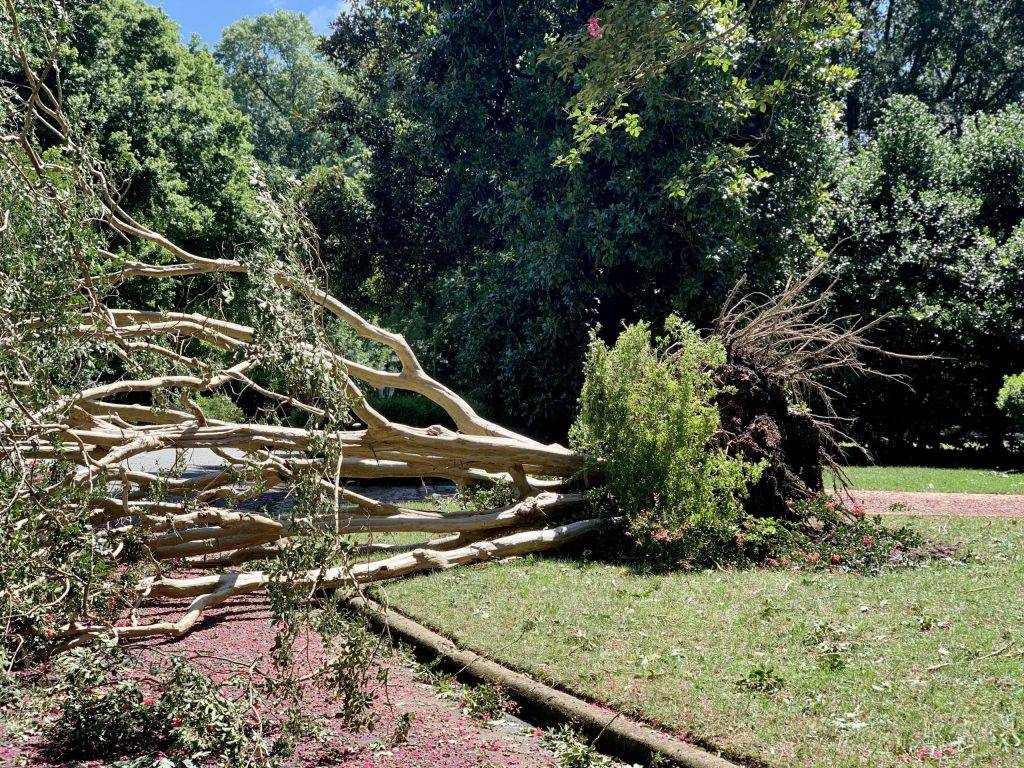
If the leaning tree eventually falls, liability turns on whether your neighbor was negligent. A documented warning about an obvious lean is exactly what shifts responsibility to them — without it, a healthy tree blown down in a storm is usually treated as an act of God and falls to your own insurer. We cover that distinction in depth in is my neighbor liable if their tree falls in a storm, and the immediate cleanup steps in what to do when a neighbor’s tree falls on your house.
Frequently Asked Questions
Can I cut down my neighbor’s tree if it leans over my house?
No. You may trim branches that cross the property line, but you cannot remove or top the entire tree without the owner’s consent, even if it leans toward your home.
What if my neighbor won’t remove a dangerous leaning tree?
Document the hazard, notify them in writing, and contact your city’s code or urban-forestry department. Many cities can inspect and order removal of a tree that threatens a neighboring structure.
Who pays if the leaning tree falls on my house?
If you warned your neighbor about the obvious hazard and they ignored it, they (or their insurer) are often liable. Without prior warning, a storm-felled healthy tree is usually covered by your own homeowners insurance.
Is a leaning tree always dangerous?
No. A long-standing, stable lean is often fine. A sudden new lean, lifting soil, or a cracked trunk are the signs that warrant an urgent professional assessment.
This article is general information, not legal advice. Tree and liability rules vary by city and state — consult your local authority or an attorney for your situation.


 Jack Turner