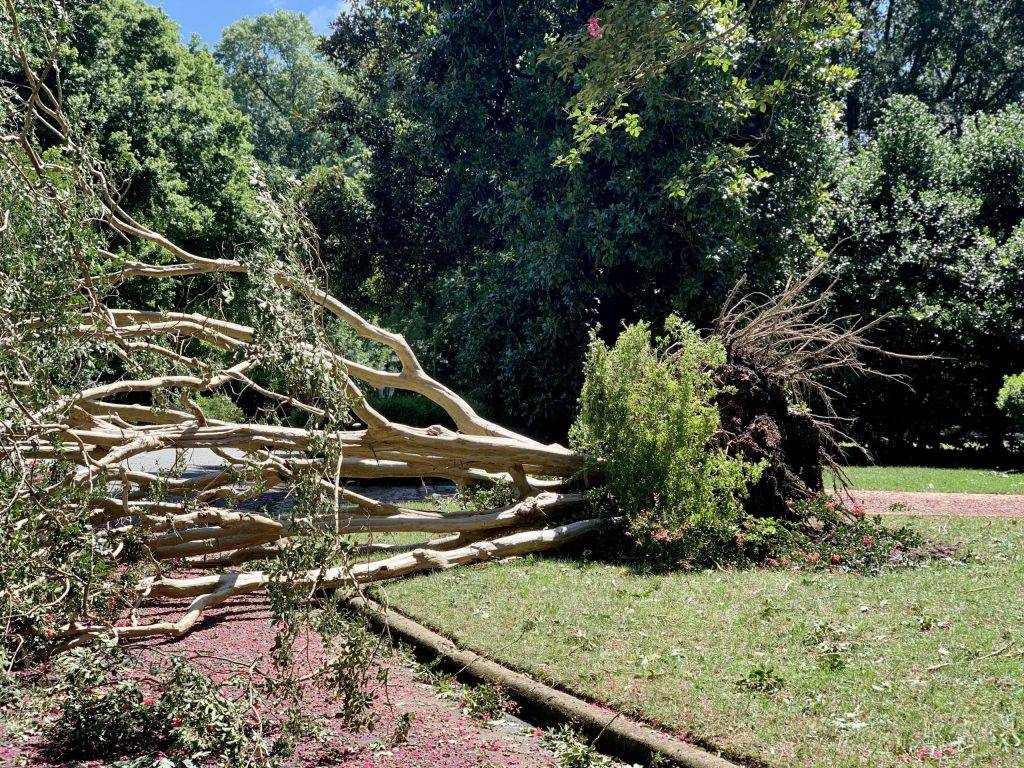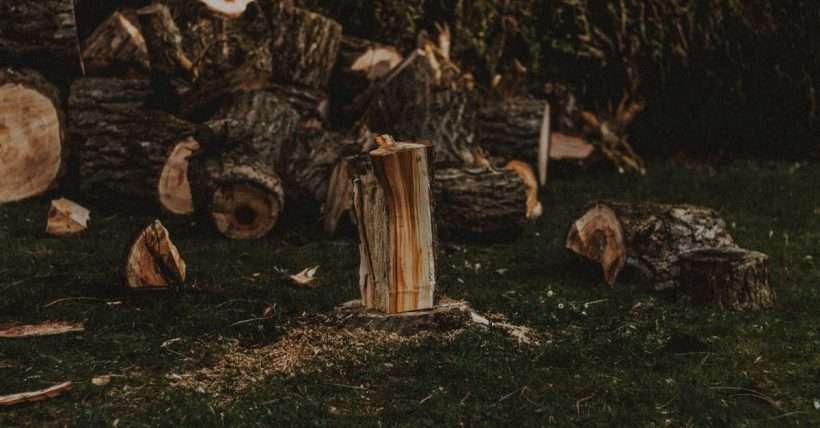

Coming home to find your tree cut down, topped, or badly butchered by a neighbor — without your permission — is a genuine property loss, and the law usually takes it seriously. You generally have the right to recover the tree’s value, and in many states that figure can be doubled or tripled under timber-trespass statutes. The key is to act calmly and document everything.
Ready to ask for compensation in writing? Use our tree damage demand letter template to make a formal request before going to court.
Here is a clear, step-by-step plan for what to do.
First Steps: Document, Don’t Retaliate
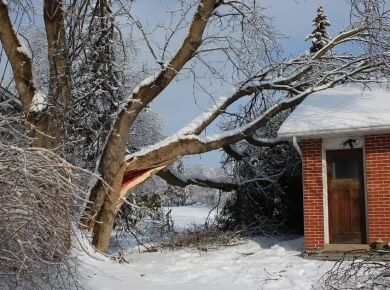
Photograph the damage from multiple angles, including the stump and any remaining wood, and note the date. Do not remove the evidence or cut anything in return. Avoid a confrontation — your strongest position is a documented, measured one.
Get the Tree Valued
The size of your claim depends on the tree’s value. Have a certified arborist appraise it; valuation methods include replacement cost, the drop in your property value, and recognized appraisal formulas for large or specimen trees. A mature tree can be worth thousands — far more than its firewood.
| Step | Why it matters |
|---|---|
| Photograph the damage + date it | Preserves evidence |
| Confirm the tree was on your land | Establishes ownership |
| Get an arborist valuation | Sets your damages |
| Send a written demand | Often prompts settlement |
| File in small claims or civil court | If they refuse to pay |
Your Right to Compensation
If the tree was yours and the neighbor cut it without consent, you can typically recover its value. Many states add double or treble damages for willful, unauthorized cutting — a deterrent against timber trespass — while an honest boundary mistake may limit recovery to actual value. Confirm the line first; see how to find your property line.
How to Pursue It
Start with a written demand letter setting out the loss and the valuation — many disputes settle here. Our letter-to-a-neighbor guide offers a template. If the neighbor refuses, small claims court handles smaller amounts; larger or treble-damages claims belong in civil court with an attorney. For boundary-tree nuance, see trees on the property line, and to keep things civil, resolving tree disputes.
Frequently Asked Questions
What can I do if my neighbor cut down my tree without permission?
Document the damage, get an arborist valuation, send a written demand, and if needed file in small claims or civil court to recover the tree’s value.
How much can I recover?
Usually the tree’s replacement cost or your property’s lost value — potentially doubled or tripled where a state timber-trespass statute applies.
What if it was an honest boundary mistake?
You can still recover the tree’s actual value, though enhanced (double/treble) damages are less likely without willful conduct.
This article is general information, not legal advice; tree-damage laws vary significantly by state.


 Jack Turner