
Dead tree removal typically costs $150 to $500 for a small tree, $300 to $1,200 for a medium tree, $700 to $1,800 for a large tree, and $1,200 to $3,000 or more for a very large tree. Most homeowners pay somewhere around $750 to $1,100 for an average dead tree. Prices vary widely by region, tree size, and how risky the job is to access.
Dead trees often cost more to remove than healthy ones of the same size. The wood is brittle and unpredictable, so crews work slower and rely on rigging or a crane to bring limbs down safely — and that added labor and equipment shows up on the bill. This guide breaks down dead tree removal cost by size, the factors that move the price, the extras to budget for, and how to get an accurate quote.
How much does dead tree removal cost?
Tree size is the single biggest driver of price because it dictates the equipment, crew, and time required. The ranges below reflect typical U.S. pricing for removing a dead tree; your local quote depends on access, condition, and demand in your area.
| Tree size | Approximate height | Typical dead tree removal cost |
|---|---|---|
| Small | Under 30 ft | $150 – $500 |
| Medium | 30 – 60 ft | $300 – $1,200 |
| Large | 60 – 80 ft | $700 – $1,800 |
| Very large | Over 80 ft | $1,200 – $3,000+ |
These figures are for removal only. Stump grinding, hauling, and permits are usually billed separately — see the additional costs below. For broader context across all tree types and conditions, our main tree removal cost guide covers the full picture.
Why dead trees cost more to remove
A healthy tree flexes and holds together as it is cut. A dead tree does not. Decayed wood can snap, split, or drop without warning, so an arborist has to slow down, rope sections individually, and sometimes bring in a crane or bucket truck rather than felling the tree in one piece. Long-dead trees with rot, hollow trunks, or heavy deadwood overhead are the most expensive because they are the most hazardous. A recently dead tree that is still structurally sound usually costs only a little more than a living one; a brittle, rotten tree can cost considerably more.
What affects dead tree removal cost
Beyond size, several factors push the price up or down. Use this table to anticipate where your tree falls before you call for quotes.
| Factor | Lower cost | Higher cost |
|---|---|---|
| Height & trunk diameter | Short, thin trunk | Tall, thick, or multi-stem |
| Access | Open yard, room to drop limbs | Tight space, fenced, sloped |
| Proximity to structures | Clear of buildings and wires | Over a house, near power lines |
| Condition | Recently dead, still sound | Rotten, hollow, unstable |
| Urgency | Scheduled in advance | Emergency or storm response |
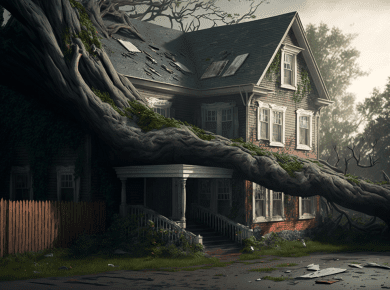
A dead tree leaning over a roof or tangled in utility lines is the most expensive scenario because it demands extra rigging, traffic control, or utility coordination. If the tree poses an immediate danger, our emergency tree removal cost guide explains the premium for after-hours and storm work.
Additional costs to budget for
The removal quote usually covers cutting the tree down and hauling the main debris. These related services are often priced on top:
- Stump removal or grinding: commonly $75 to $500 depending on diameter; see our stump removal cost guide.
- Debris hauling and chipping: sometimes included, sometimes an add-on of $50 to $150 or more.
- Log splitting or wood removal: extra if you want the wood cut for firewood or hauled away.
- Permits: some cities require a permit even for a dead tree; fees vary by municipality.
For a like-for-like comparison of the full job, ask each company to itemize these so you are comparing complete prices. Our notes on getting a tree removal estimate explain what a thorough quote should include.
How to get an accurate quote and save money
Dead trees are a priority for removal because they only become more hazardous over time, but you can still control the cost:
- Get three written, itemized quotes from licensed, insured arborists.
- Confirm whether stump grinding and haul-away are included or extra.
- Bundle multiple trees in one visit to lower the per-tree price.
- Schedule non-emergency work in the off-season when crews are less busy.
- Verify insurance and ask to see proof — an uninsured crew is a financial risk if something goes wrong.
To confirm a tree is actually dead before you pay to remove it, review the signs in our guide on how to tell if a tree is dying. You can also find a credentialed professional through the International Society of Arboriculture at treesaregood.org.
Should you remove a dead tree yourself?
For a small, isolated dead tree well away from structures, careful DIY removal can save money. For anything large, leaning, or near a house, fence, or power line, hire a professional. Dead wood is unpredictable, and the savings are not worth the risk of injury or property damage. Compare your options in our broader breakdown of how much it costs to cut down a tree.
Dealing with a hazard next door instead of your own yard? Here is what to do about a dead tree on a neighbor’s property.
Removing a specific species? See our guide to ash tree removal cost, which runs higher when emerald ash borer has left the wood brittle.
Frequently asked questions
Is dead tree removal more expensive than removing a live tree?
Usually, yes. Brittle, decayed wood is more dangerous to cut, so crews work more slowly and use more rigging or equipment. A recently dead, sound tree costs only slightly more; a rotten or hollow tree can cost significantly more than a healthy one of the same size.
Does homeowners insurance cover dead tree removal?
Generally not for a tree that simply died of age or disease — that is considered maintenance. Insurance is more likely to help if a covered event (like a storm) brings the tree down onto a structure. Policies vary, so check your specific coverage.
How much does it cost to remove a small dead tree?
A small dead tree under 30 feet typically costs $150 to $500 to remove, depending on access and whether stump grinding is included.
How quickly should a dead tree be removed?
A dead tree near people, structures, or power lines should be removed promptly because it becomes more brittle and hazardous over time. A small dead tree in an open area is less urgent but should still be scheduled.
Prices in this guide are general estimates that vary by region, season, and the specifics of your tree. Always get itemized quotes from licensed, insured local arborists. This is cost information, not financial or safety advice.

 Jack Turner