
How Much Does It Cost to Remove a Large Tree?
Removing a large tree is one of the bigger maintenance expenses a homeowner can face, and the price swings widely depending on the tree and the property. As a general guide, most large tree removals in the United States fall between roughly $900 and $2,000, while very tall or hard-to-reach trees — think a mature oak towering over a roofline — can run $3,000 or more. Smaller trees, by contrast, are often removed for a few hundred dollars.
The figures in this guide are typical national ranges to help you budget; actual prices vary by region, season, and the specific risks of the job. A removal in a dense metro area with tight access will cost more than the same tree in an open rural lot. The best way to get an accurate number is to collect a few written quotes, but understanding what drives the cost will help you read those quotes critically and avoid overpaying.
What Drives the Cost of Large Tree Removal
Two trees of the same height can carry very different price tags. These are the factors that move the number the most.
Tree Height and Trunk Diameter
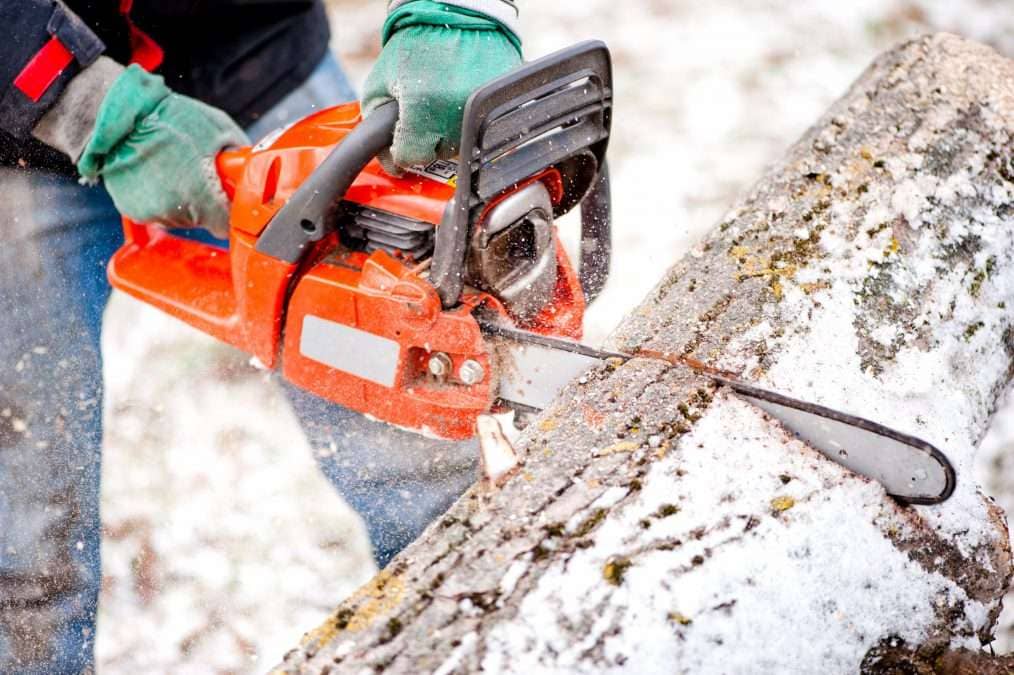
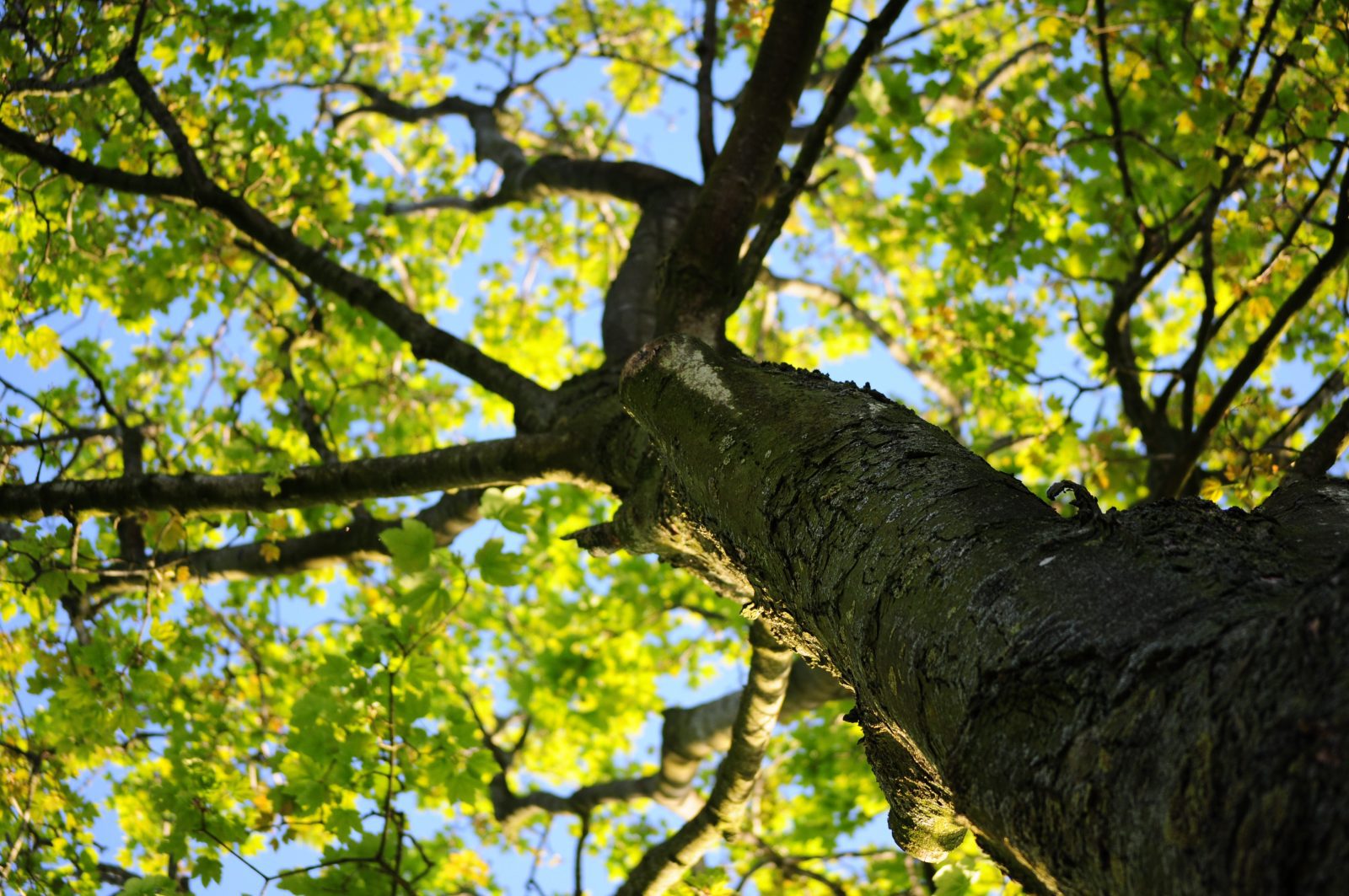
Size is the single biggest cost driver. Taller trees take more time, more equipment, and more careful rigging to bring down safely. Trunk diameter matters too: a thick, heavy hardwood is slower to cut and haul than a slender tree of the same height, and it produces far more debris to remove and dispose of.
Location, Access, and Hazards
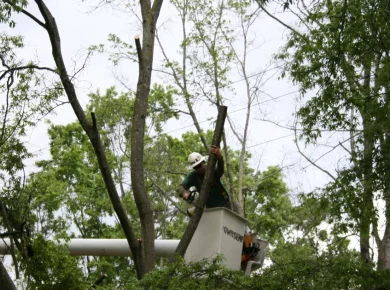
A tree standing alone in an open field is cheap to fell. The same tree leaning over a house, a fence, or power lines is expensive, because the crew must dismantle it piece by piece to avoid damage. Limited access for trucks and chippers, slopes, and proximity to structures all add labor and risk — and therefore cost. Trees touching utility lines are a special case; the work may need to be coordinated with the utility company, which can add time.
Average Tree Removal Costs by Size
The table below shows typical price ranges by tree size. Use it as a budgeting starting point rather than a quote.
| Tree size | Approx. height | Typical cost range |
|---|---|---|
| Small | Up to 30 ft | $150 – $500 |
| Medium | 30 – 60 ft | $400 – $1,000 |
| Large | 60 – 80 ft | $900 – $2,000 |
| Very large | 80 ft and up | $1,500 – $3,000+ |
Small, Medium, Large, and Very Large Trees
Most ornamental and young trees fall into the small or medium range. The “large” and “very large” categories — where costs climb quickly — typically include mature oaks, pines, elms, and similar species that have had decades to grow. Once a tree clears about 80 feet, specialized climbing or crane work often becomes necessary, which is what pushes some jobs past the $3,000 mark.
Cost by Common Species
Species affects price through height, wood density, and canopy spread. The ranges below assume a mature, healthy tree in a typical residential setting.
| Species | Typical mature-tree cost | Why |
|---|---|---|
| Oak | $700 – $2,000+ | Large, heavy, dense wood |
| Pine | $400 – $1,500 | Tall but relatively light |
| Maple | $500 – $1,800 | Wide, spreading canopy |
| Palm | $200 – $1,500 | Usually simpler to remove |
Additional Costs to Budget For
The quote to fell a tree is often only part of the total. Watch for these add-ons before you sign anything.
Stump Removal and Grinding
Tree removal usually leaves the stump behind. Stump grinding commonly adds $75 – $500, frequently priced at roughly $2 – $5 per inch of stump diameter. Full stump and root excavation costs more because it disturbs more soil. Hauling away the logs and wood chips may also be billed separately, so always ask exactly what the quoted price includes.
Emergency, Fallen, and Storm-Damaged Trees
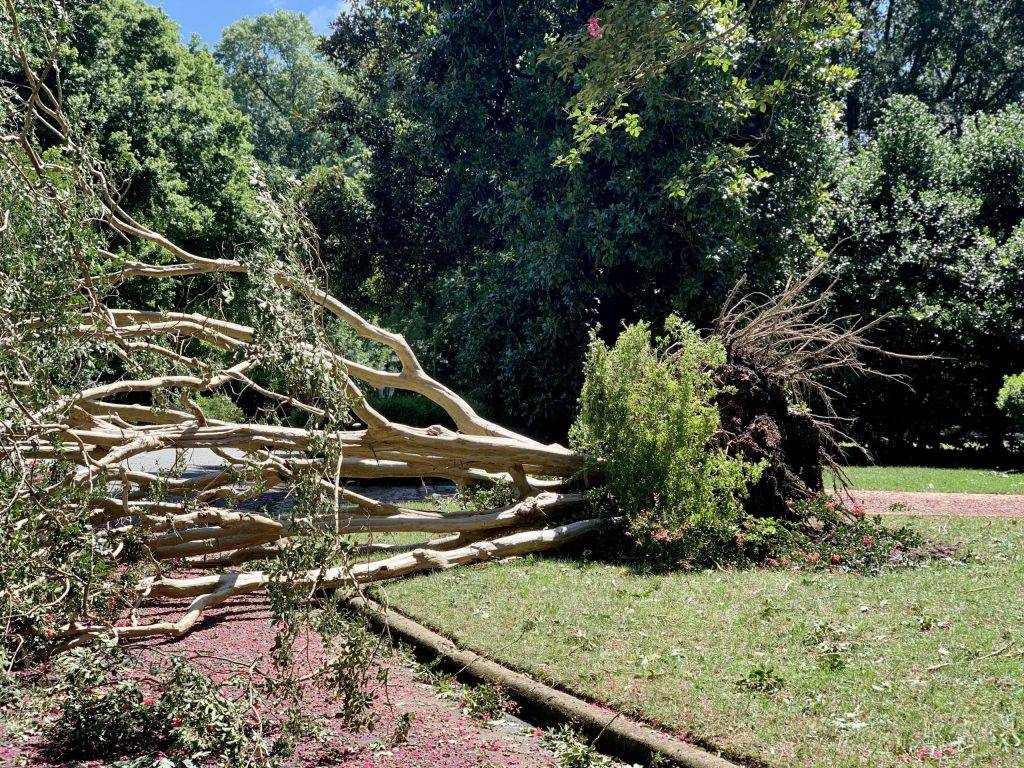
A tree that has already fallen or been damaged in a storm is often more expensive to deal with, not less, because the work is urgent and the wood may be under dangerous tension. Emergency removals commonly run $2,000 – $5,000 or more. If a storm-damaged tree came down across a boundary, our guide on trees on or across the property line explains how responsibility is usually divided.
How to Save Money and Hire the Right Professional
You can control a surprising amount of the final cost with a few smart steps.
Getting and Comparing Quotes
Always collect at least three written estimates, and make sure each one specifies whether stump grinding, debris hauling, and cleanup are included. Scheduling non-urgent removals for the slower late-fall and winter months can also lower the price. Confirm the company is licensed and insured before work starts, and look for a certified arborist through the International Society of Arboriculture for trees that require careful work near structures. Be cautious of door-to-door crews offering cash discounts after a storm — uninsured work that damages your home can cost you far more than you saved.
Should You Remove a Large Tree Yourself?
For genuinely large trees, do-it-yourself removal is rarely worth the risk. Felling a tall tree near structures is among the most dangerous home projects there is, and a mistake can injure people or destroy property that no policy will fully cover. DIY can make sense for small trees in open space, but for anything in the “large” category, the cost of a professional is cheap compared to the downside of a fall going wrong.
Who Pays — You, a Neighbor, or Insurance?
If the tree is healthy and on your property, the cost is normally yours. When a neighbor’s tree is involved, or a tree has fallen and caused damage, responsibility can shift. Homeowners insurance sometimes covers removal after a covered event such as a storm, particularly when the tree strikes a structure — though many policies cap the removal benefit and apply a deductible. For the liability side of a fallen-tree situation, see what to do when a neighbor’s tree lands on your house.
In short, budget around $900 to $2,000 for a typical large tree, add for stumps, difficult access, and emergencies, and protect yourself by comparing several insured, qualified bidders before you commit. A little planning turns an intimidating expense into a predictable one.
Frequently Asked Questions
How much does it cost to remove a large tree?
Most large tree removals run roughly $900 to $2,000, while very tall or hard-to-reach trees — such as a mature oak over a roofline — can exceed $3,000.
Why is removing a large tree so expensive?
Height, heavy dense wood, and risky locations near houses or power lines require more time, equipment, and careful piece-by-piece dismantling.
Does the quote include stump removal?
Often not. Stump grinding usually adds $75 to $500 (roughly $2 to $5 per inch of diameter), so always confirm what the price includes.
Will homeowners insurance pay for tree removal?
Sometimes after a covered event like a storm, particularly if the tree struck a structure, though removal coverage is usually capped.
Related: Compare prices for every tree size in our complete tree removal cost guide.

 Jack Turner