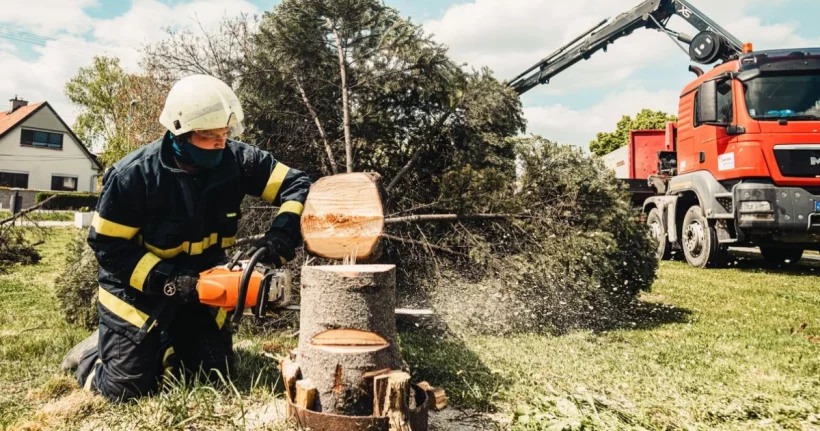

Do You Need a Permit to Cut Down a Tree on Your Own Property?
It is one of the most common questions homeowners ask before picking up a chainsaw or calling a tree service: do you actually need permission to remove a tree growing on your own land? The honest answer is that it depends entirely on where you live. In many rural areas you can take down most trees on private property with no paperwork at all, while a growing number of cities and counties now require a permit for certain species, sizes, or locations — even when the tree sits well inside your property line.
Getting this wrong can be costly. Removing a protected tree without authorization can trigger fines that run into the thousands of dollars, and some jurisdictions can order you to replant or pay restitution. The rules also change quickly: tree-protection ordinances have spread well beyond big coastal cities into mid-size towns and suburban counties over the last decade.
This guide explains when a permit is typically required, when you can usually proceed without one, the special situations that change the rules, and exactly how to confirm what applies to your address before any work begins.
When a Permit Is Usually Required
Permit rules exist mainly to protect tree canopy, prevent erosion, and preserve trees that have ecological or historic value. While the specifics vary from one municipality to the next, a few situations reliably trigger a permit requirement across the country.
Protected, Heritage, and Landmark Trees
Many communities designate certain trees as “heritage,” “landmark,” or “specimen” trees based on their species, age, or trunk size. Native oaks, redwoods, and other slow-growing hardwoods are common examples. If your tree falls into a protected category, you almost always need approval to remove it — and approval is often only granted when the tree is dead, hazardous, or interfering with permitted construction.
Some cities maintain a published list of protected species; others protect any tree above a certain size regardless of type. Because the designation can apply to a tree you have lived with for years without realizing it, the species and trunk size are always worth checking before you assume the tree is “just yours.”
Size, Species, and Location Triggers
Even where there is no special heritage list, local codes frequently key the permit requirement to measurable thresholds. The most common triggers include:
- Trunk diameter above a set size, usually measured as diameter at breast height (DBH) — thresholds of 6, 8, or 12 inches are typical.
- Specific protected species, such as native oaks or city-planted street trees.
- Trees in the public right-of-way, on an easement, or near a waterway or steep slope.
- Properties inside historic districts, conservation overlays, or coastal zones.
Because these triggers stack, a single large oak near the street can require a permit even when a row of small ornamental trees in your backyard would not. Measure the trunk about four and a half feet off the ground to get the DBH figure your city will ask for.
Street Trees and the Public Right-of-Way
One detail surprises many homeowners: the strip of land between the sidewalk and the curb often belongs to the city, even though you mow and maintain it. Trees planted there are typically “street trees” under municipal control, and removing one without approval is treated the same as cutting down public property. If your tree is anywhere near the curb, confirm where your property actually ends before doing anything.
When You Can Usually Remove a Tree Without a Permit
Plenty of routine removals require no government involvement at all. The categories below are the ones most often exempt, though you should still confirm locally before cutting.
Dead, Dying, or Hazardous Trees
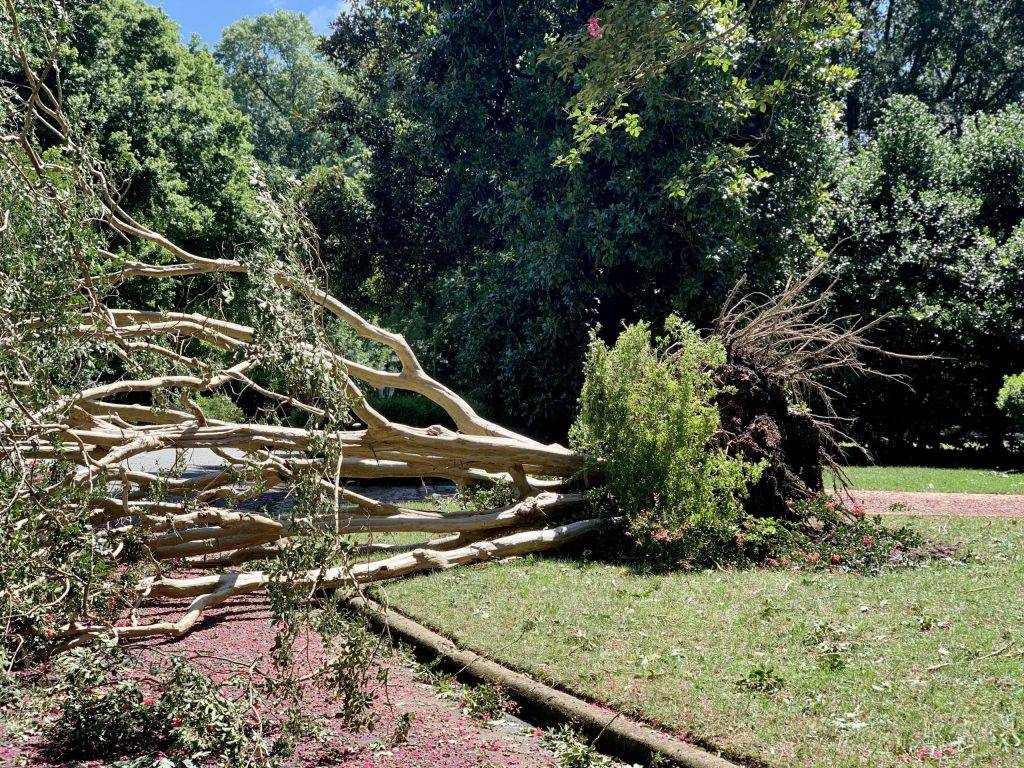
Most ordinances include an exemption for trees that are dead, structurally unsound, or posing an imminent threat to people or property. That said, many cities ask you to document the hazard first — a dated photo record or a short letter from a certified arborist can protect you if the removal is later questioned.
“Imminent” is the key word. A tree that is merely old or inconvenient usually does not qualify; a tree with a split trunk, severe lean, or large dead limbs over a living area generally does. When in doubt, get the hazard assessment in writing before the tree comes down. If the dangerous tree belongs to a neighbor rather than you, the process is different; our guide on trees on or across the property line walks through who is responsible.
Small Trees and Non-Protected Species
Smaller trees below the local diameter threshold, fast-growing non-native species, and most fruit trees are frequently exempt on private residential lots. Agricultural and commercial timber operations usually fall under separate rules entirely. When in doubt, the diameter of the trunk is the single most useful number to measure before you call your municipality — it determines the answer more often than any other factor.
How to Check Your Local Tree Removal Rules
Confirming the rules takes one short phone call or web search and can save you a five-figure fine. Treat it as a non-negotiable first step.
Where to Look: City, County, and HOA
Tree rules can come from more than one authority at the same time, so check each of the following:
- City or county planning, urban forestry, or public works department — the primary source for permit requirements.
- Your homeowners association (HOA) — HOAs often impose their own approval process on top of city rules, and may restrict removal of trees they consider part of the community’s character.
- State and regional regulations — relevant near wetlands, coastlines, and protected habitats.
The table below summarizes how these situations typically shake out, but always verify against your local code.
| Situation | Permit usually needed? |
|---|---|
| Small, healthy non-native tree in a private backyard | Usually no |
| Dead or clearly hazardous tree | Often exempt (document it) |
| Large native oak or heritage-listed tree | Usually yes |
| Street tree or tree in the right-of-way | Yes — city approval required |
| Any tree in a historic or conservation district | Usually yes |
| Tree subject to HOA rules | HOA approval often required |
How to Apply for a Permit
Where a permit is required, the application is usually straightforward: you submit the tree’s location, species, and trunk size, your reason for removal, and sometimes photos or an arborist’s report. Fees are commonly modest, though replacement-planting conditions are increasingly common — you may be asked to plant one or more new trees, or pay into a tree-mitigation fund, in exchange for approval. The arborist locator at the International Society of Arboriculture can help you find a certified professional to document a hazard or prepare the paperwork.
Special Situations That Change the Rules
A few scenarios deserve extra care because they layer additional rules on top of the basics.
Trees Near Construction or New Builds
If you are removing a tree to make way for a new structure, pool, or driveway, the removal is usually folded into your building-permit review — and cities often scrutinize it more closely, sometimes requiring tree-protection fencing for nearby trees that stay. Never assume a construction project automatically authorizes removal of every tree in the footprint.
A tree whose trunk straddles the property line is generally co-owned by both neighbors, and neither owner can remove it unilaterally without risking liability. Even when the tree is clearly yours, a courteous heads-up to an adjacent owner prevents most disputes. If a disagreement is already developing, see our guidance on resolving tree disputes with neighbors before you cut.
Risks of Removing a Tree Without a Permit
Skipping a required permit is rarely worth it. The penalties are designed to be steep enough to discourage “cut first, ask later” decisions.
Fines and Penalties
Unauthorized removal of a protected tree can carry fines based on the tree’s size or appraised value, sometimes calculated per inch of trunk diameter. On top of the fine, you may be required to plant replacement trees or pay into a tree-mitigation fund. In the most protective jurisdictions, a single mature tree can result in penalties of several thousand dollars — far more than a permit and a professional removal would have cost in the first place.
Disputes With Neighbors and HOAs
Cutting without approval can also spark a private dispute — especially if the tree was shared, on a boundary, or valued by a neighbor. HOAs can levy their own fines and require restoration. When a written record helps, sending a formal letter before any work creates a paper trail that protects you later.
The bottom line: a tree on your own property is usually yours to manage, but “usually” is not “always.” Measure the trunk, check with your city and HOA, confirm where your property line actually falls, and document the condition of the tree before work begins. A few minutes of due diligence is the cheapest insurance you can buy against a costly mistake.
Frequently Asked Questions
Do I need a permit to cut down a tree on my own property?
It depends on your city and county. Many small, healthy trees on private lots are exempt, but protected species, large-trunk trees, street trees, and properties in historic or conservation districts usually require a permit.
What is the fine for removing a tree without a permit?
Penalties vary widely and can reach several thousand dollars per tree, sometimes calculated by trunk diameter, and may include mandatory replacement planting.
Do I need a permit to remove a dead or dangerous tree?
Dead or clearly hazardous trees are often exempt, but document the hazard with dated photos or a certified arborist’s note before removal.
How do I check the tree removal rules for my address?
Contact your city or county planning or urban forestry department and your HOA, and confirm the tree’s trunk diameter and location first.


 Jack Turner