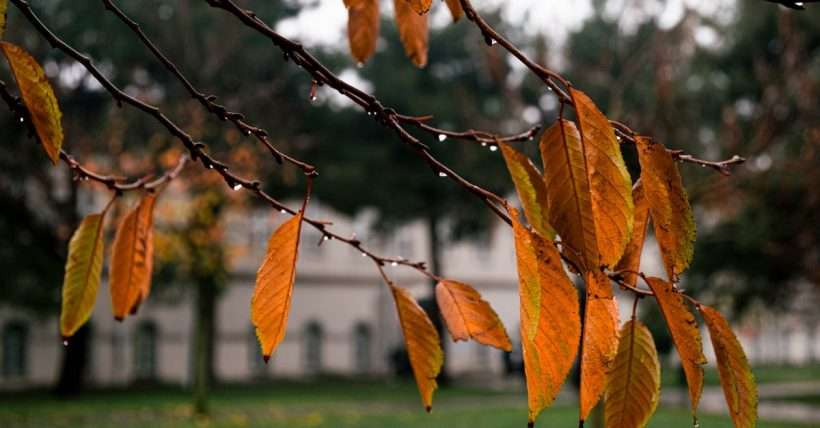

Raking up a neighbor’s leaves every fall — or scraping sap off your car and picking up dropped fruit — is annoying, but here is the reality most homeowners do not want to hear: leaves, sap, fruit, and other natural debris that drift over the line are generally treated as a natural nuisance you have to live with. Courts rarely make a neighbor pay for cleanup or remove a healthy tree over falling leaves.
That said, you do have rights at the property line, and there are situations where the calculus changes. Here is what you can and cannot do.
The General Rule: Natural Debris Is Your Problem
The widely followed rule is that naturally falling material from a healthy tree — leaves, needles, twigs, flowers, fruit, pollen, sap — is not something the tree’s owner is legally responsible for cleaning up on your side. The reasoning is that these are natural products of a healthy tree, not negligence.
What You Can Do
Trim Overhanging Branches to the Line
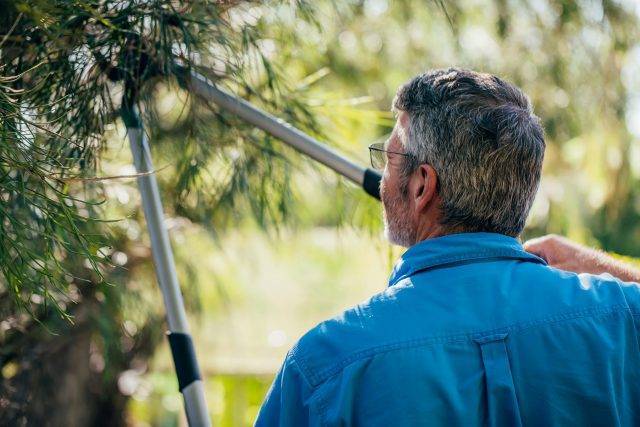
You may generally cut branches that overhang your property back to the boundary, at your expense, as long as you do not enter the neighbor’s land or harm the tree’s health. Reducing the canopy over your yard cuts down the debris.
Manage the Cleanup on Your Side
Gutter guards, regular raking, and a clear-them-yourself routine are usually the practical answer. The cost of dealing with natural debris on your property typically falls to you.
| Situation | Your options |
|---|---|
| Leaves/fruit/sap from a healthy tree | Clean up yourself; trim to line |
| Branches overhanging your yard | Trim back to the boundary |
| Debris causing actual damage/hazard | Possible nuisance claim |
| Dead/diseased tree dropping limbs | Different rules — see below |
When You Might Have a Claim
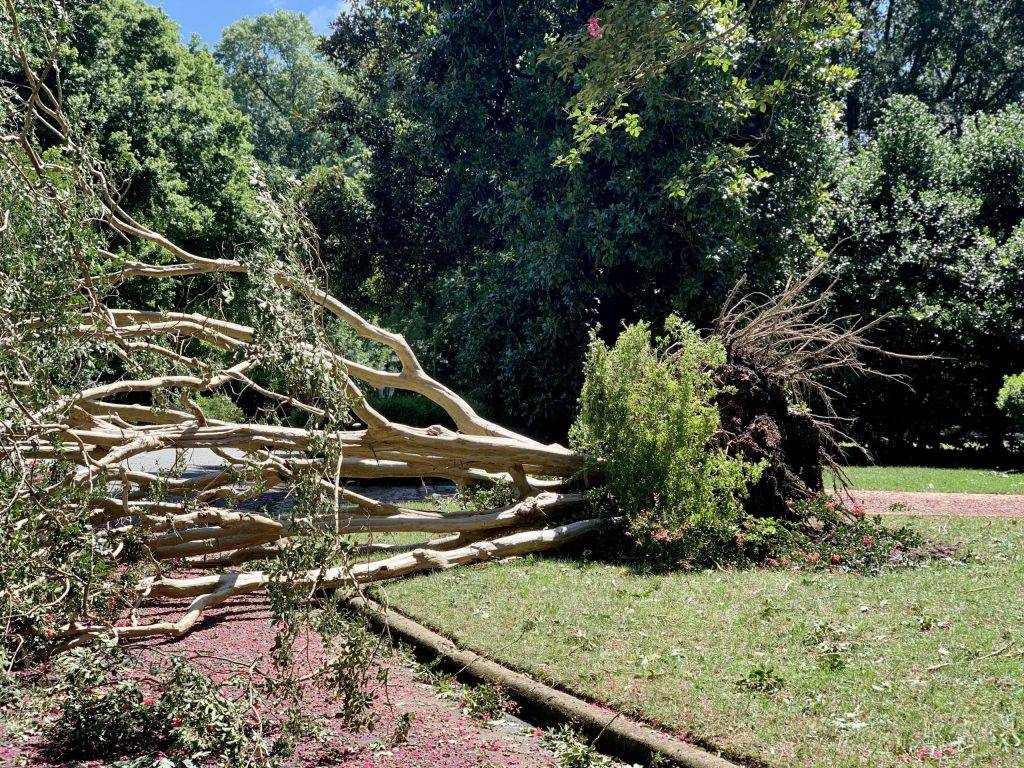
The picture changes if the tree is not healthy. Falling dead limbs, or debris that causes genuine, documented property damage, can support a nuisance or negligence claim — especially after you have given written notice. If the tree itself is dead or dangerous, see how to get a hazardous neighbor’s tree addressed.
Talking to Your Neighbor
Most leaf-and-fruit frustrations are best solved neighbor-to-neighbor — many will agree to trim or split cleanup if asked kindly. Our guide on resolving tree disputes helps, and for boundary questions see trees on the property line.
Frequently Asked Questions
Can I make my neighbor clean up leaves from their tree on my yard?
Usually no. Natural debris from a healthy tree is generally your responsibility to clean up, though you can trim overhanging branches to the line.
What if the tree is dropping sap on my car or fruit on my driveway?
Same general rule applies for a healthy tree. You can trim overhanging limbs and manage cleanup; a claim usually requires actual damage or a hazardous tree.
Can I sue over a messy neighbor’s tree?
Rarely successful for ordinary debris. Claims tend to succeed only when there is real property damage or the tree is dead/dangerous and the owner was warned.
This article is general information, not legal advice; nuisance and tree laws vary by state.


 Jack Turner