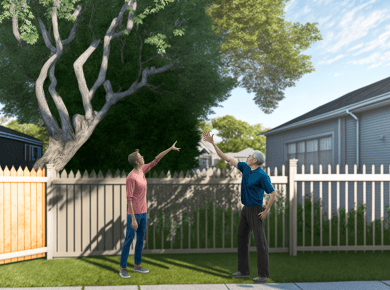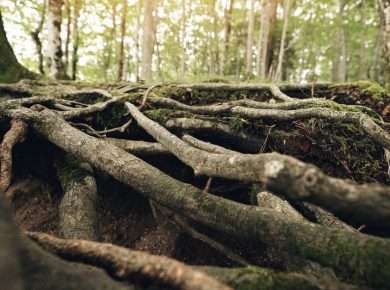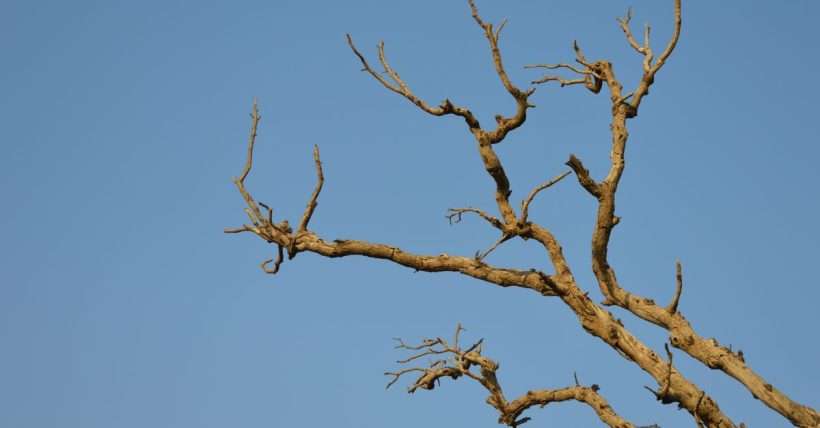

A dead or leaning tree in a neighbor’s yard that threatens your home is stressful — and frustrating, because you cannot legally walk over and cut it down yourself. The honest answer is that you usually cannot force a neighbor to remove their tree, but you have a clear ladder of options that often gets the tree dealt with, and the law shifts firmly in your favor once you have put the danger in writing.
Here is how to handle a hazardous neighbor’s tree the right way, step by step.
The Short Answer
A tree on your neighbor’s property is their responsibility. You can ask, document, and escalate to the authorities, but you cannot remove it yourself or compel removal without involving the city or a court. What you can do is create a paper trail that makes the owner liable if the tree later causes damage.
Step-by-Step: Getting a Dangerous Tree Addressed
1. Document and Talk
Photograph the tree’s condition (dead limbs, lean, split trunk, fungus) with dates, then raise it with your neighbor in a friendly conversation. Many disputes end here. Our guide on resolving tree disputes covers how to approach it.
2. Send Written Notice
If talking does not work, send a dated written notice describing the hazard and requesting action. This is the pivotal step: once the owner has been formally notified of a known danger, they can be held liable for damage if the tree falls. A template is in our letter to a neighbor guide.
3. Involve the City or HOA
Many municipalities have code-enforcement or nuisance ordinances covering dangerous trees; report it to your city. If you are in an HOA, ask it to enforce its rules. These bodies can sometimes order the owner to act.
| Step | What it does |
|---|---|
| Photograph + date the hazard | Builds evidence |
| Friendly conversation | Resolves most cases |
| Written notice | Triggers owner liability |
| City code enforcement / HOA | Can compel action |
If It Falls and Causes Damage
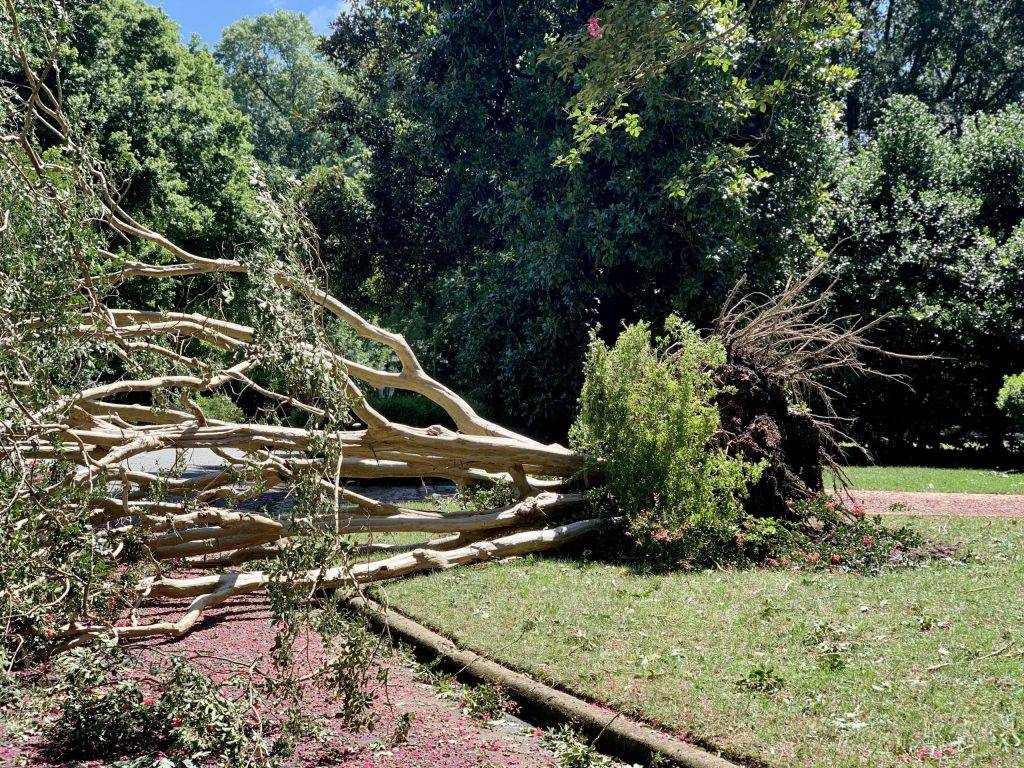
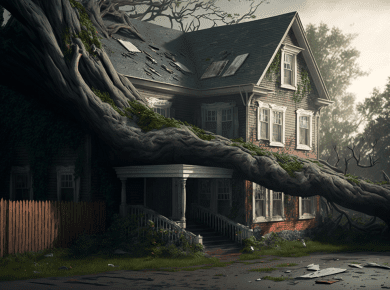
If a documented, known-dangerous tree falls and damages your property, the neighbor (and their insurer) can be held responsible because they were negligent. Without prior notice, a healthy tree downed by a storm is usually treated as an act of nature and each owner covers their own damage — which is exactly why written notice matters. See when a neighbor’s dead tree causes damage.
What You Can Do Yourself
You generally may trim branches that overhang your property back to the boundary line, as long as you do not enter the neighbor’s land or kill the tree. You may not cross the line to cut the trunk.
Frequently Asked Questions
Can I force my neighbor to cut down a dead tree?
Not directly. You can document it, send written notice, and report it to city code enforcement or your HOA, which may compel action.
Who is liable if my neighbor’s dead tree falls on my house?
If you gave written notice of the hazard and they ignored it, the neighbor is usually liable. Without notice, your own insurance typically handles the damage.
Can I cut the branches hanging over my yard?
Yes, you can usually trim overhanging branches back to the property line, but you cannot cross onto the neighbor’s land or harm the tree.
This article is general information, not legal advice; tree-liability laws vary by state.

 Jack Turner